Using Slimy Font for Spooky Web Headers and Branding
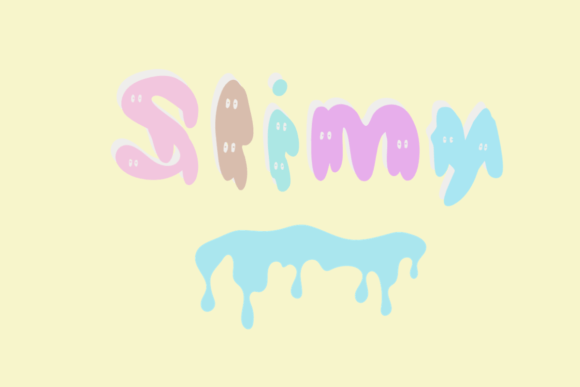
I was deep into the wireframing phase of a seasonal campaign landing page last week when I hit that familiar wall: the hero section felt flat. The layout had plenty of whitespace, the color palette was moody and autumnal, but the typography lacked personality. I needed a display font that could carry the weight of the headline without sacrificing the playful vibe the client wanted for their Halloween promotion. That's when I pulled Slimy from my library. As a decorative font with cute eye decorations, it immediately transformed the static mockup into something alive and engaging. Testing Slimy in a real website project reminded me how critical the right typeface is for establishing mood and driving user engagement in digital spaces.
Creating High-Impact Hero Sections with Slimy Typography
When you are building a landing page, the first three seconds determine whether a visitor stays or bounces. Using Slimy in the hero section of a website instantly communicates a specific narrative. Because this font features those distinct, quirky eye decorations, it works exceptionally well for brands that want to appear approachable yet edgy. In my recent project, I placed the Slimy headline over a dark, textured background image. The contrast was sharp, and the unique glyphs drew the eye immediately. For web designers, this is a goldmine; it turns a standard H1 tag into a piece of art. However, readability is paramount. While Slimy is perfect for short, punchy headlines on banners or book titles, I avoided using it for long paragraphs. Instead, I paired it with a clean, geometric sans serif for the body copy to ensure the content remained scannable on mobile devices.
Optimizing Readability for Mobile Layouts and Small Screens
One of the biggest challenges with decorative fonts is ensuring they render clearly on smaller screens. During my testing of Slimy, I paid close attention to how the "eyes" and decorative elements scaled down on smartphone viewports. At very small sizes, intricate details can sometimes blur or lose their impact. To counter this, I increased the line height and ensured there was ample padding around the text elements. This approach works beautifully for social media graphics and mobile-first landing pages where space is at a premium. If you are using Slimy for a call-to-action button or a navigation label, make sure the stroke weight is thick enough to remain legible against various backgrounds. The goal is to maintain that spooky, cute aesthetic without forcing the user to squint to decipher the message.
Designing Seasonal Flyers and Digital Banners with Slimy
Beyond the browser, Slimy shines when adapted for digital marketing assets like flyers, banners, and email headers. I recently used it to design a series of promotional banners for an online store selling handmade crafts. The objective was to create a cohesive look across Instagram stories and the website homepage. By sticking to Slimy for all primary headings, we established a strong visual identity that users recognized instantly. The font's playful nature made the promotional offers feel less like a sales pitch and more like an invitation to a fun event. When designing these assets, remember that Display fonts like Slimy are best used for emphasis. Use them to highlight discount codes, event dates, or key value propositions. Pairing them with simpler supporting text ensures the hierarchy remains clear, guiding the viewer's eye exactly where you want it to go.
Building a Cohesive Brand Identity for Creative Projects
A strong brand identity relies on consistency, and choosing the right fonts is half the battle. Slimy offers a unique opportunity to inject personality into a brand kit without looking generic. Whether you are working on a portfolio homepage for a graphic designer or a course sales page for a creative coach, this typeface adds a layer of charm that standard system fonts simply cannot match. I found that Slimy works particularly well for businesses targeting a younger demographic or those in the entertainment and lifestyle niches. The "cute eye decorations" give it a memorable character that helps the brand stand out in a crowded digital marketplace. When integrating Slimy into a brand guide, define clear rules for its usage. Specify exactly where it should appear—such as logos, main headers, or pull quotes—and where it should be avoided to prevent visual fatigue.
Pairing Slimy with Complementary Typefaces for Web Design
No font exists in a vacuum, and the success of Slimy often depends on what you pair it with. Since Slimy is a highly stylized display typeface, it demands a neutral partner for body text. In my workflow, I typically reach for a modern sans serif like Inter or Roboto to balance the whimsy of Slimy. This combination creates a professional yet playful dynamic that works well for blogs, editorial sites, and product pages. Alternatively, if you are aiming for a more vintage or storybook feel, pairing Slimy with a classic serif font can add an element of sophistication. The key is contrast; if both your header and body fonts are too decorative, the design becomes chaotic and hard to read. By keeping the supporting typography simple, you allow the unique features of Slimy to take center stage, enhancing the overall user experience.
Ensuring Professional Results in Commercial Web Projects
Before launching any client project featuring Slimy, it is crucial to verify the licensing terms and file formats. As a digital product creator, I always check if the font includes webfont files (WOFF/WOFF2) to ensure fast loading times and crisp rendering across different browsers. Slimy is designed for versatility, making it suitable for everything from book titles to social media posts, but commercial use requires the appropriate license. Additionally, consider the accessibility implications. While the decorative elements are charming, ensure they do not interfere with screen readers or confuse users with visual impairments. Using ARIA labels and providing sufficient color contrast can help mitigate these issues. When used thoughtfully, Slimy elevates a standard web template into a custom, polished experience that resonates with visitors and reinforces the brand's unique voice.